
GobackpackGo
  • Home
  • Countries
    • Australia
    • Europe
      • Denmark
      • Estonia
      • France
      • Germany
      • Italy
      • Latvia
      • Lithuania
      • Norway
      • Sweden
      • Switzerland
      • The Netherlands
    • Asia
      • Cambodia
      • China
      • Hong Kong
      • Indonesia
      • India
      • Japan
      • Laos
      • Malaysia
      • Myanmar
      • Nepal
      • Singapore
      • Sri Lanka
      • Thailand
      • Vietnam
    • Africa
      • Botswana
      • Morocco
    • Cycling holidays
      • TourduPisa
      • TourduGermany
      • TourduEurope
  • Travel
    • Travel tips
    • Travel e-SIM Card
    • Buy local sim card
    • e-SIM For Laptops
    • Holiday Car Rental Tips
      • Car Rental Australia
      • Car Rental New Zealand
    • Airport Car Rental
    • Yacht Charter
    • Compensation delayed flight
    • Travel Inspiration
  • About me
    • Featured articles
    • Supporting Kiva
  • Contact

Use Google Maps offline

Use Google Maps offline

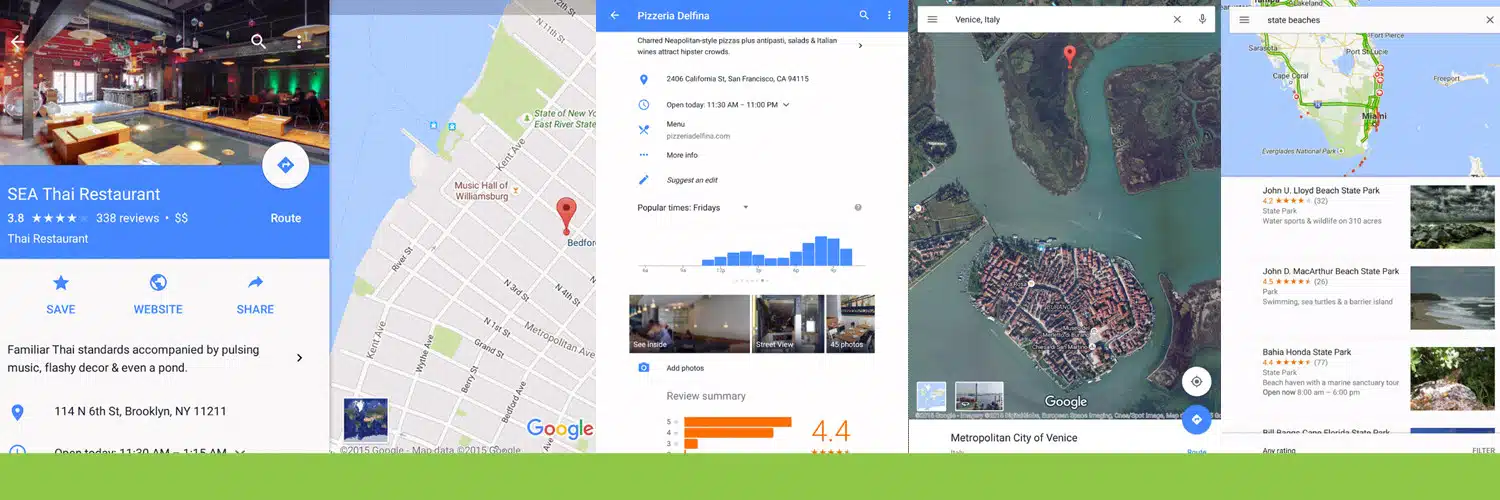
A lot of navigation apps are already offline. Now the biggest navigation app is going offline as well! Google Maps published a couple months ago that they also developing an real offline map. Today is the day, they are publishing the offline map. Starting on their own mobile software Android. And later iOS will also get an update.

Smart move: save this guide now, so it is there when you need it on the road.Save to PinterestPinterestEmail it to myselfEmailSend to a travel buddyWhatsApp

Use Google Maps offline

Google Maps had already the possibility to use the map when you’re offline but now they will let you download certain regions you want. When you got the update you can download parts of Google Maps to your mobile to use it offline. Google maps says you can download different parts. From cities and regions to whole countries. The possibility to download a map is only aloud when you are connected to WiFi to avoid high data bills. On the maps includes also, highlights restaurants, opening timetables, rating and stores. Read more about Google offline maps on the Google blog.

Note. in some countries they block Google (China for example) is easier there to use pre-installed offline map like Maps.me

How to use Google offline maps

Using Google Maps offline can be a lifesaver when you don’t have an internet connection. Here’s a concise list on how to download and use Google Maps offline:

  1. Update Google Maps App: Ensure you have the latest version of Google Maps from the Google Play Store or App Store.
  2. Connect to Wi-Fi and Open Google Maps: Open the app while connected to Wi-Fi to avoid using mobile data.
  3. Sign In to Your Google Account: Make sure you’re signed into your Google account to access offline map features and updates.
  4. Search for the Area or City: Enter the name of the city, region, or area you want to download offline.
  5. Access the Area’s Info Page: Tap on the name or address at the bottom of the screen to open the location info panel.
  6. Download the Offline Map: Look for the “Download” button or option, tap it, adjust the area by zooming in or out if needed, and confirm the download.
  7. Wait for the Download to Complete: Wait until the map is fully downloaded, after which the area’s map is available offline.
  8. Using Offline Maps: Turn off mobile data or Wi-Fi, open Google Maps, and navigate. You can get driving and walking directions and search locations within the downloaded area (note that real-time traffic updates won’t work offline).
  9. Update or Expand Offline Maps: Before offline maps expire (about 30 days), reconnect to Wi-Fi, open Google Maps, and update them. You can also download additional areas as needed.
  10. Manage Offline Maps: Tap your profile picture or initial, go to “Offline maps,” and view, update, or delete downloaded areas as necessary.

By following these steps, you can use Google Maps to navigate and explore areas even without an active internet connection!

Source nu.nl

Paul Ram

Written by Paul Ram · updated 20 January 2025

I am Paul from Amsterdam and I have been writing GoBackpackGo since 2013, from my own trips through 32 countries and 1,000+ days on the road: backpacking in Asia (2014 and 2023–2024), road trips in Australia and New Zealand, and bikepacking trips in Europe.

More about me · Instagram (17.9K followers) · Strava · YouTube · Pinterest

Previous Post
Travel video Myanmar
Next Post
With your company on a work holiday?

2 Comments. Leave new

  • Charys
    December 8, 2015 12:02 pm

    Actually, Google doesn’t always works (lets say in China…). Therefore I would really recommend maps.me as an offline map alternative 🙂

    Reply
    • Paul
      December 8, 2015 12:38 pm

      Smart thoughts Charys, thnx for the tip 🙂 (putted a little note in the text.)

      Reply

Leave a Reply Cancel reply

Your email address will not be published. Required fields are marked *

Fill out this field
Fill out this field
Please enter a valid email address.
You need to agree with the terms to proceed

Hi, I’m Paul

Paul from GoBackpackGo

Outdoor and sports enthusiast. Since 2013 I’ve been backpacking, bikepacking and motorbiking through more than 30 countries, and writing about it on GoBackpackGo. Everything here comes from my own trips, routes and real costs.

More about me →

Travel tips

Get a local travel simcard
Ready within minutes

Get compensated for a delayed flight
Super easy to claim

Charter a yacht
Plan your sailing trip

Tips Car Rental
Rent a car with confidence

© 2026 GObackpackGO

Manage Consent
To provide the best experiences, we use technologies like cookies to store and/or access device information. Consenting to these technologies will allow us to process data such as browsing behavior or unique IDs on this site. Not consenting or withdrawing consent, may adversely affect certain features and functions.
Functional Always active
The technical storage or access is strictly necessary for the legitimate purpose of enabling the use of a specific service explicitly requested by the subscriber or user, or for the sole purpose of carrying out the transmission of a communication over an electronic communications network.
Preferences
The technical storage or access is necessary for the legitimate purpose of storing preferences that are not requested by the subscriber or user.
Statistics
The technical storage or access that is used exclusively for statistical purposes. The technical storage or access that is used exclusively for anonymous statistical purposes. Without a subpoena, voluntary compliance on the part of your Internet Service Provider, or additional records from a third party, information stored or retrieved for this purpose alone cannot usually be used to identify you.
Marketing
The technical storage or access is required to create user profiles to send advertising, or to track the user on a website or across several websites for similar marketing purposes.
  • Manage options
  • Manage services
  • Manage {vendor_count} vendors
  • Read more about these purposes
View preferences
  • {title}
  • {title}
  • {title}